Vision: to support adolescents with disabilities in Ghana, enabling free and independent sexual and reproductive choice
Stepping forward:
A three member team at the University of Ghana created a Metapult chatbot guiding adolescents with disabilities on sexual and reproductive health (SRH):
- In an environment of high sexual violence against children, the option of interacting with a chatbot on culturally relevant and age-appropriate SRH could be a game changer for this group.
- The chatbot is highly scalable, including to other African countries.
Rationale:
Studies show high levels of sexual violence against children in Ghana:
- Approximately 33% of girls and 10% of boys were coerced into first sex, with a high likelihood of under-reporting.
- Young people at the intersectionality of adolescence and disability are the most vulnerable.
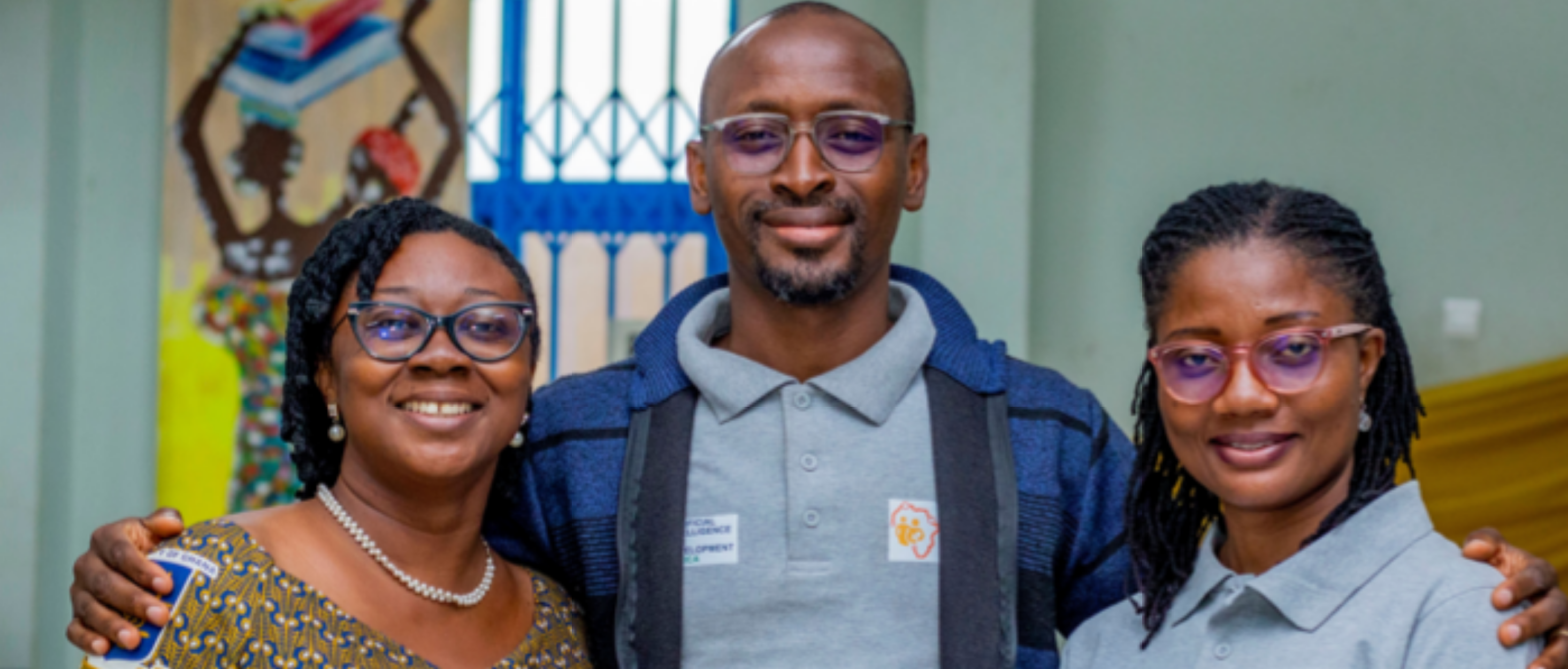
Dr. Abigail Mills and Dr. Sylvia Gyan are social scientists based at the University of Ghana. They jointly recognized a major gap in access to sexual and reproductive health education for adolescents with disabilities, particularly in inclusive or special education settings. "The bottom line is, we realised that they are left out in a lot of interventions that target adolescents, and our goal was to come up with something that will be accessible for them to use," says Dr. Abigail Mills. As they had only limited AI experience, they partnered up with Dr. Michael Kolugu from the computer science department.
A pressing public health threat
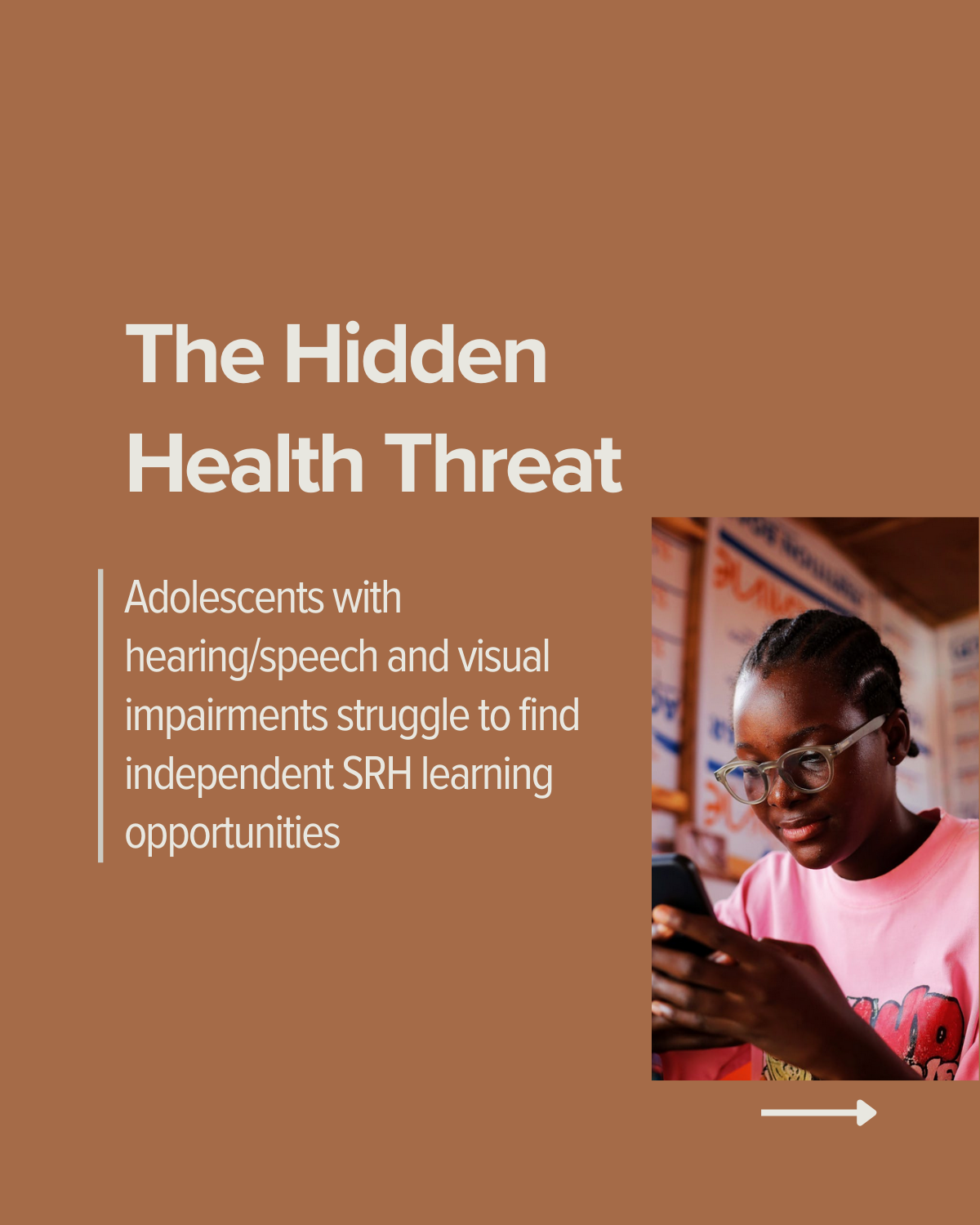
Adolescents in Ghana have high unmet needs for sexual and reproductive information and services. Evidence suggests that 82% of adolescent girls and 75% of adolescent boys lack comprehensive knowledge of HIV, with only 27% of sexually active adolescent girls using modern contraceptives. Nearly 64.4% of adolescents engage in early sexual initiation. A study of child sexual violence revealed that approximately one-third of girls and around one in ten boys were coerced into their first sexual experiences, and these figures are likely to be underreported. Adolescents with disabilities are the most vulnerable of all.
Building a frontline solution
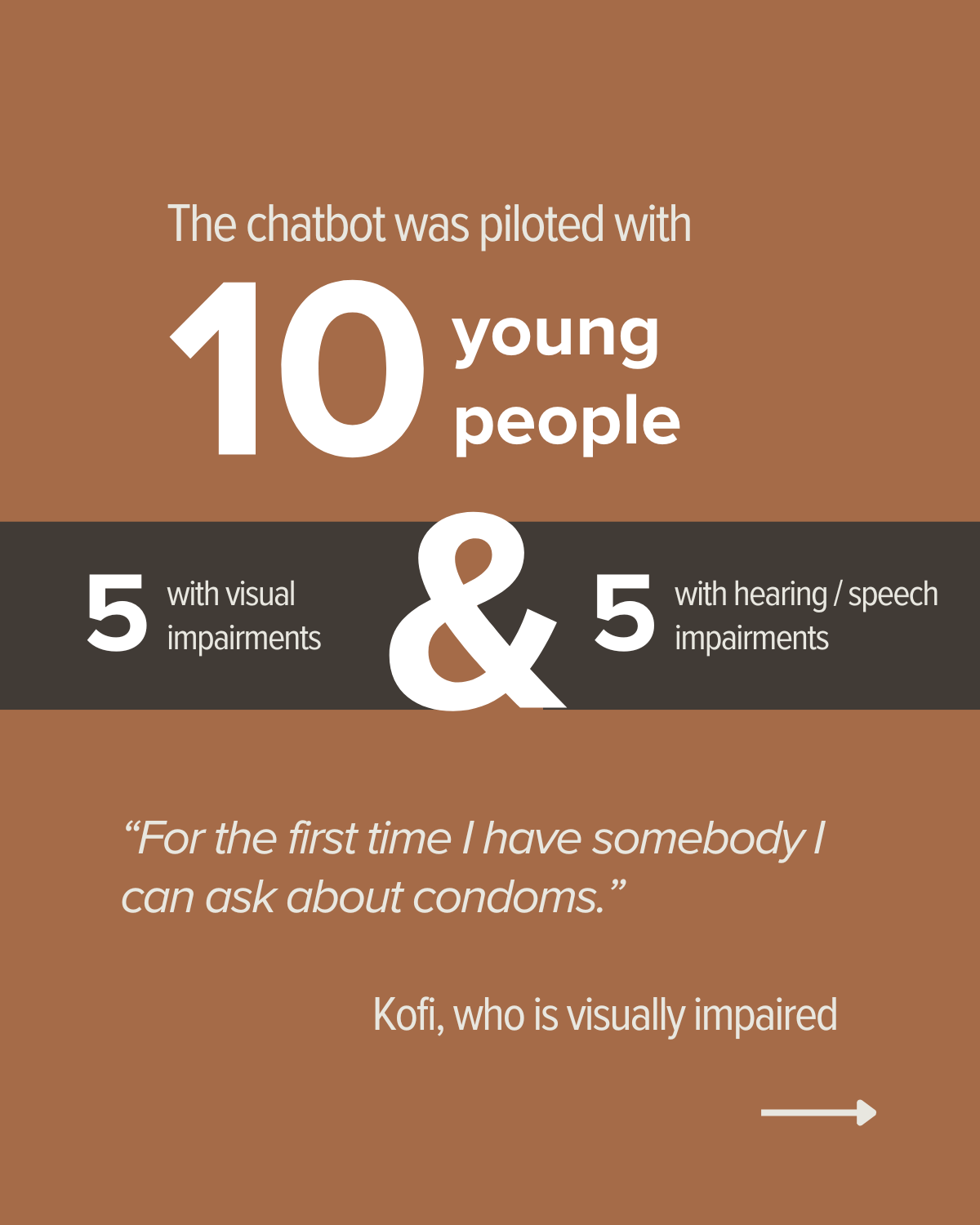
The challenge, as the Ghana University team saw it, lay in providing culturally sensitive and appropriate sexual and reproductive health education to adolescents with disabilities, that could be accessed confidentially, without any intervention needed from carers. Their solution, a Metapult chatbot, provides disabled adolescents with voice-activated, offline-accessible sexual health education.
“We all learned... how behaviors are being put up in our society or homes... We ask the question by our own voice and the answers are also provided and it's been... audible for us.”
— Charlotte, 18, who is visually impaired.
Learning and designing with stakeholders
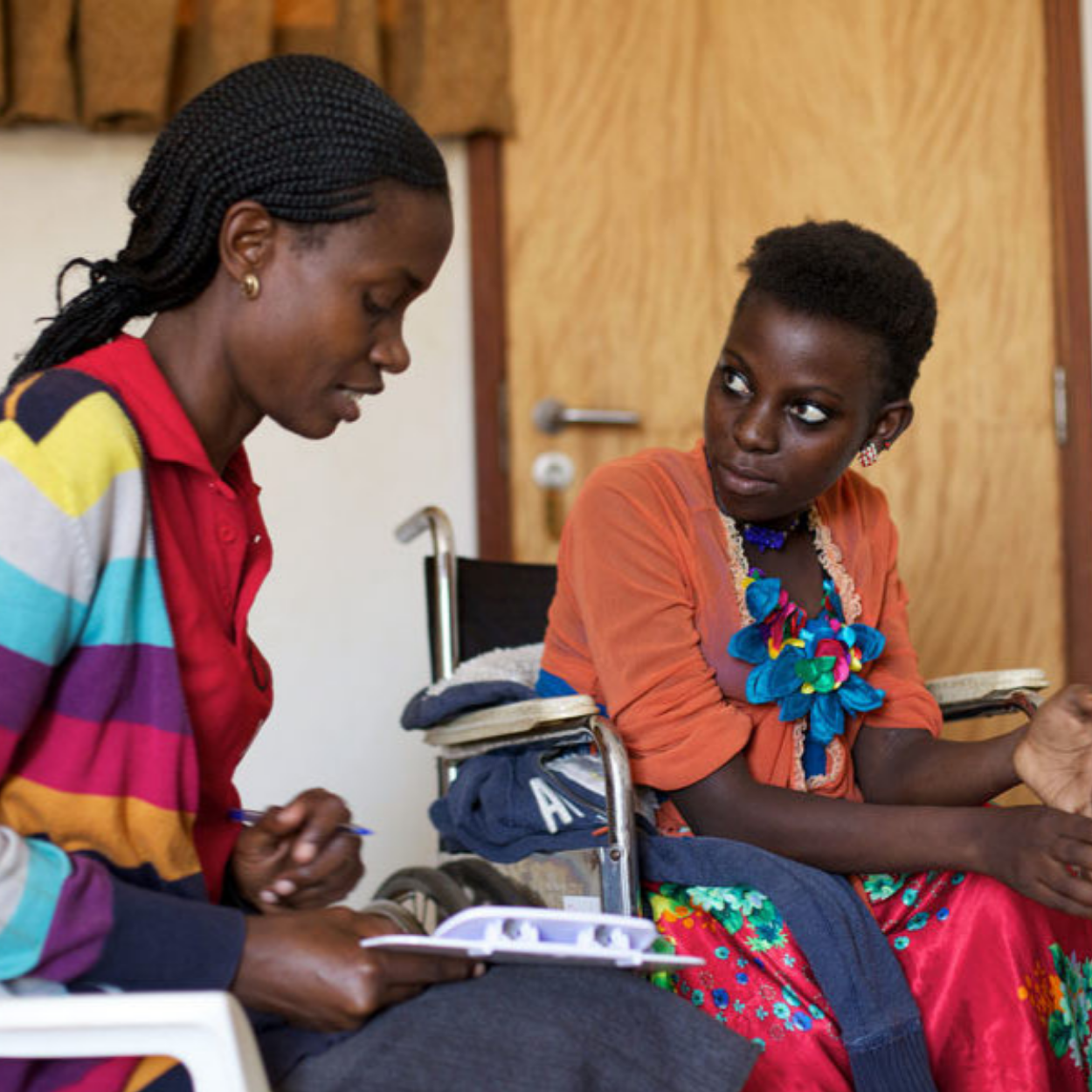
To ensure the project was ethically sound and locally relevant, the team extensively vetted 6,900 question and answer pairs procured from Google's Gemini and OpenAI. They collaborated with the Ghana Health Service to verify cultural appropriateness and with the local education authorities to access schools. They also explored alternatives for low technology access (Unstructured Supplementary Service Data, or USSD). Above all, they included adolescents, educators, and parents throughout the testing process. Charlotte, aged 18, was one of the visually impaired students who joined the project: "I could even ask [the chatbot] things like what clothes to wear," she recalls.
Overcoming Barriers
At the start of the project, the team were overly hopeful about the number of questions and answers that they could gather from the field to feed the chatbot. "We had to turn back and rely on the Large Language Models," says Dr. Sylvia Gyan. The social sciences and computer sciences teams of Ghana University exchanged skills and information, as well as presenting their work at national and international conferences. The team is grateful to HASH, the Hub for Artificial Intelligence in Maternal, Sexual and Reproductive Health, for organizing seminars in support of the development of AI models, and for overall support.
What next?
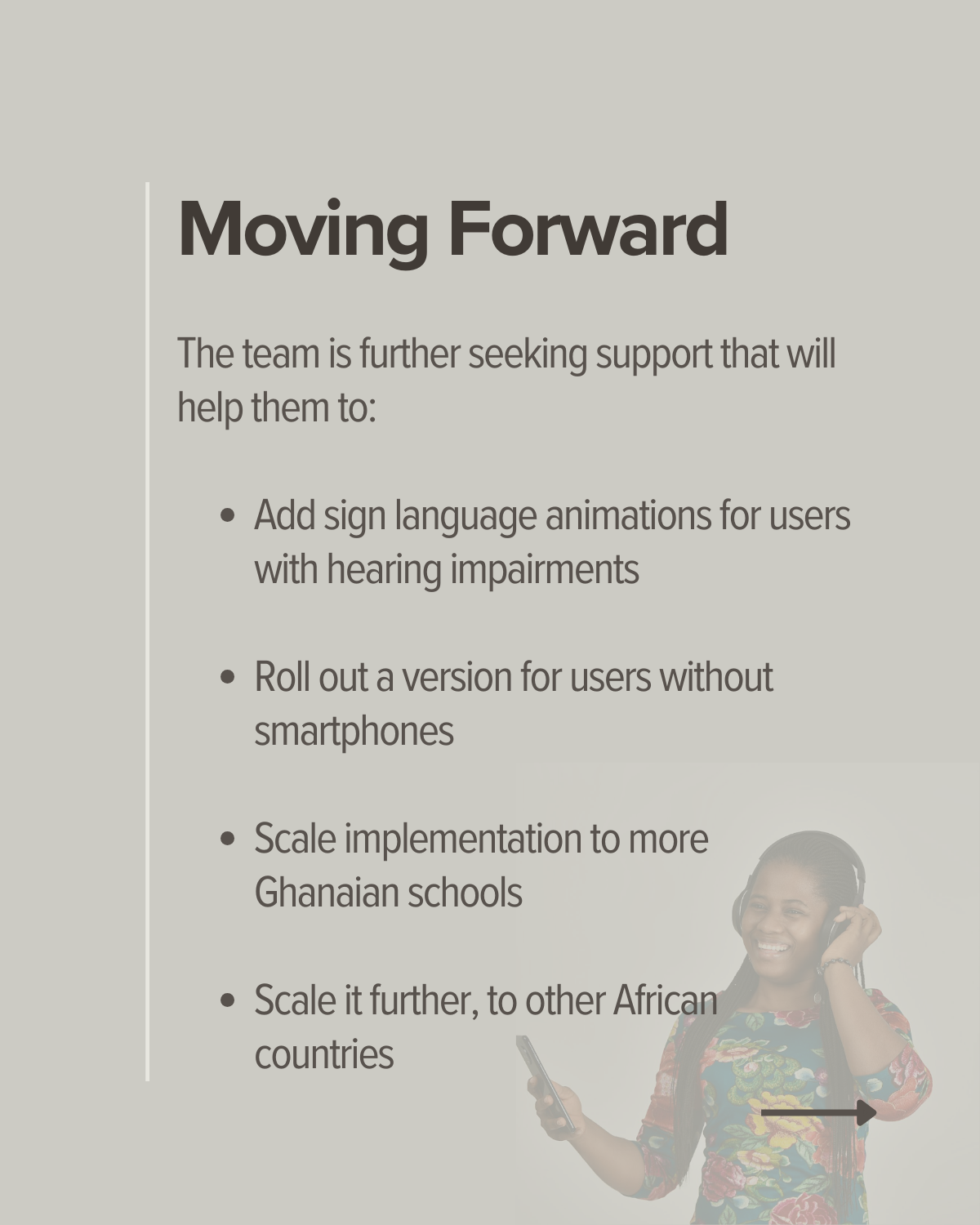
The team is seeking support that will help them to add sign language animations for users with hearing impairments ; roll out a version for users without smartphones; and scale implementation to more Ghanaian schools. But they also hope it can be scaled further, to other African countries.
“It's been an eye opener... it has not only been about contributing to knowledge but also improving it.”
— Dr. Michael Kolugu
[insert video player]