Vision: A predictive AI model that warns of mosquito-borne disease outbreaks and informs public health strategies and responses

Stepping forward:
A team based at INTEC University in the Dominican Republic has built a tool for the prediction, prevention and management of mosquito-borne diseases:
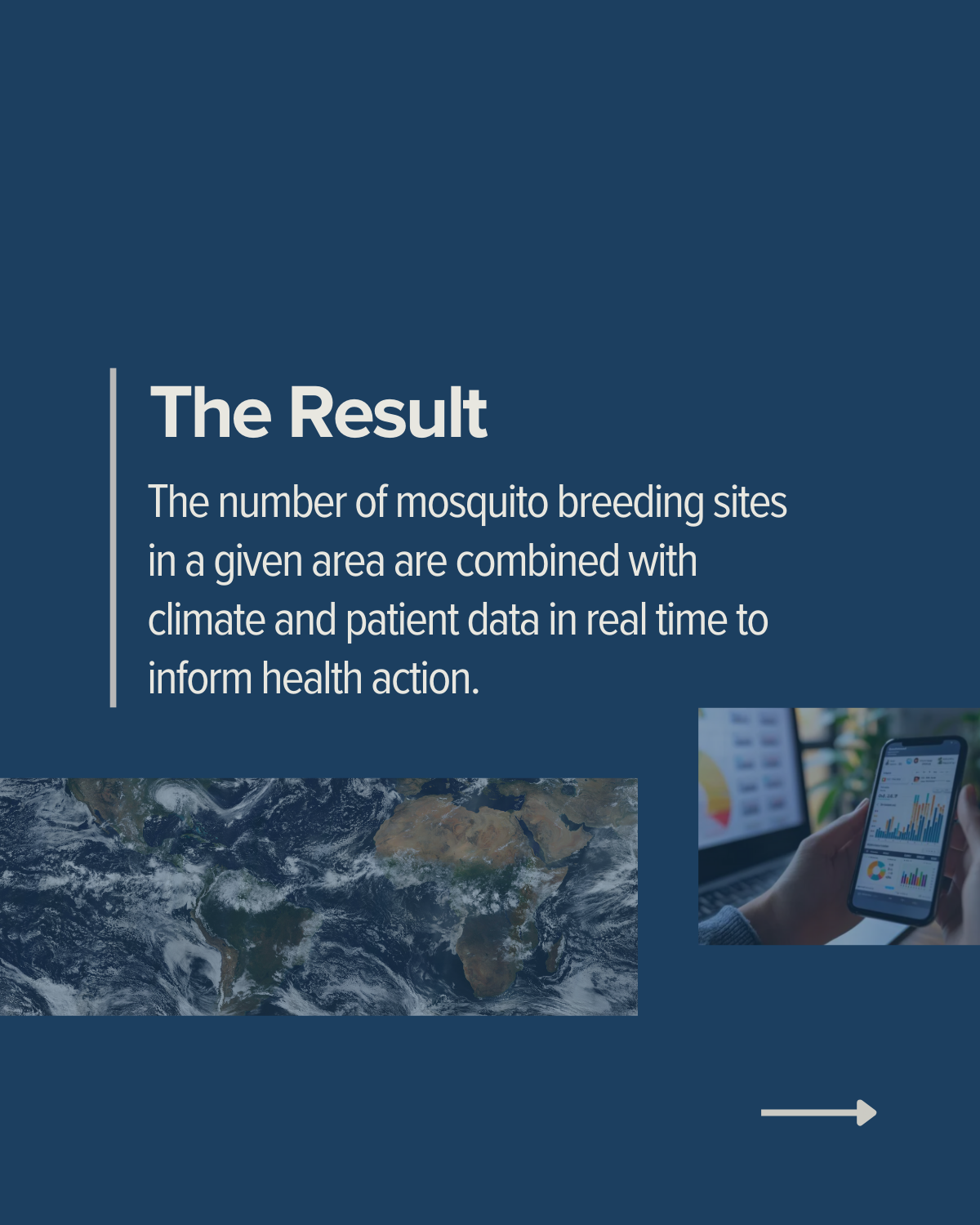
- The tool combines the number of mosquito breeding sites in a given area with climate data and anonymised patient data
- It is readily scalable to other at-risk countries, such as Haiti.
Rationale:
Climate change, migration and socioeconomic inequality are all driving disease outbreaks. Neighbouring Haiti's ongoing devastation adds to the urgency.
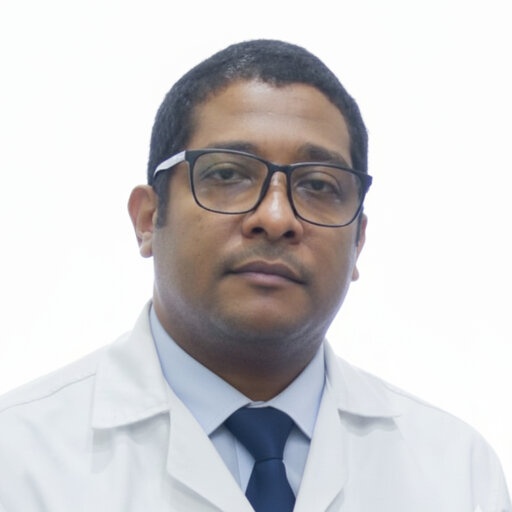
Dr. Manuel Colomé-Hidalgo is a Dominican epidemiologist with a background in bioethics. Following the devastating outbreak of Dengue in 2019, the Dominican Republic health authorities asked if he and his team could design a national strategy. Dr. Manuel and his colleagues—a paediatrician, a bio-mathematician, a computer engineer, an economist, and a student—started using AI to develop an early warning system.
A pressing public health threat
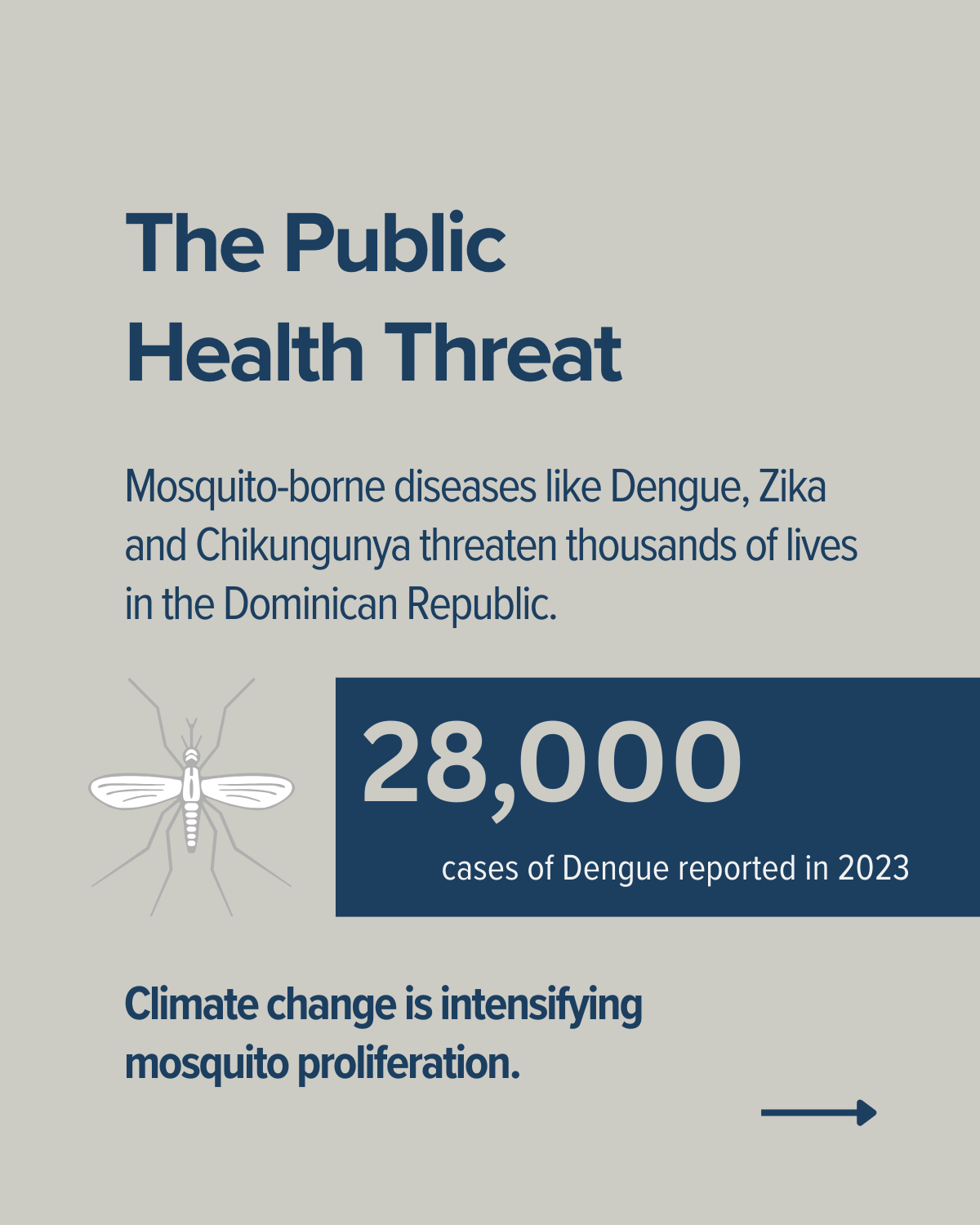
Mosquito-borne diseases like Dengue, Zika and Chikungunya threaten thousands of lives in the Dominican Republic. In 2023 alone, 28,000 cases of Dengue were reported. Climate change, migration, and socioeconomic inequality—together with neighbouring Haiti's ongoing devastation—form the perfect breeding ground for disease.
Building and designing with stakeholders
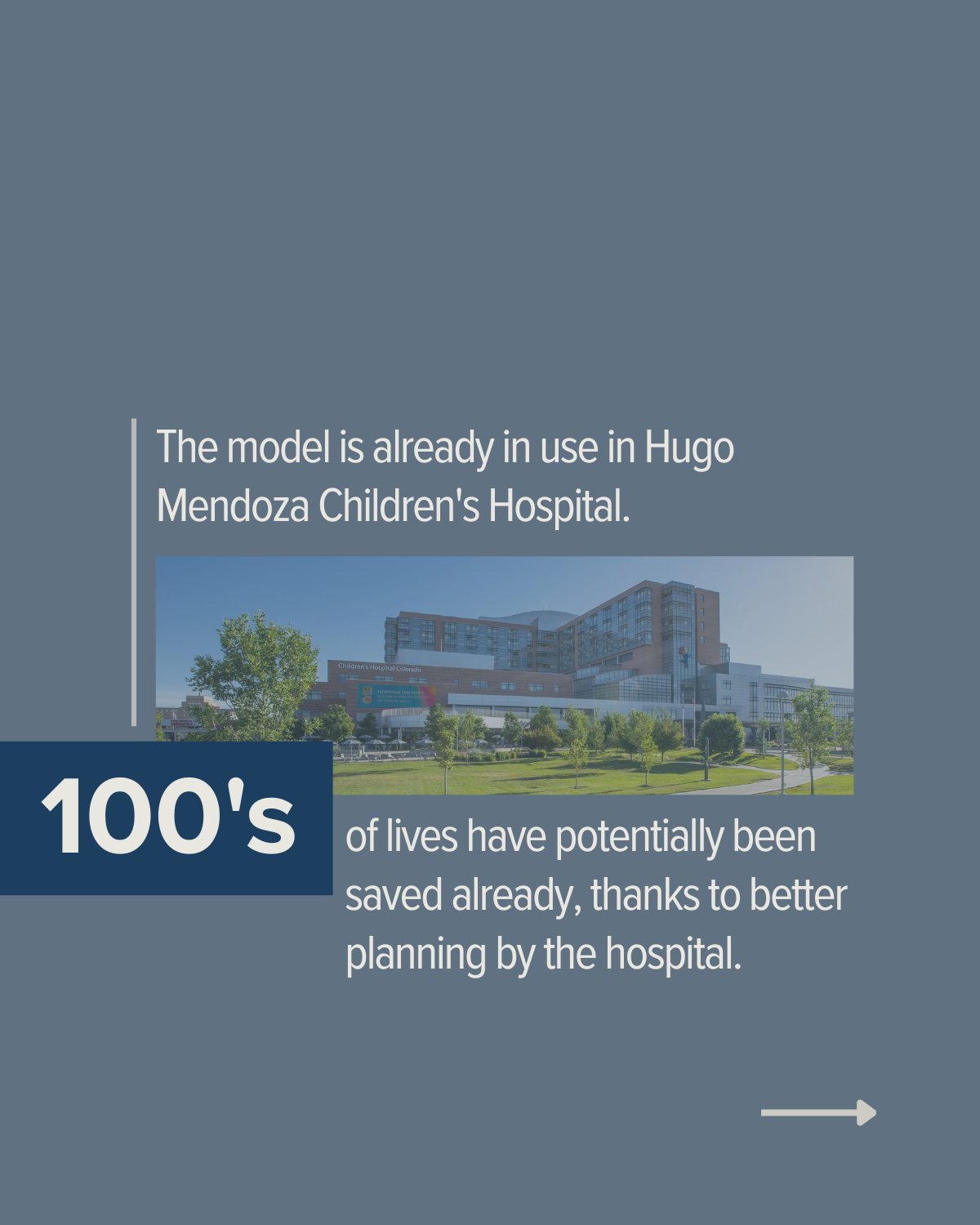
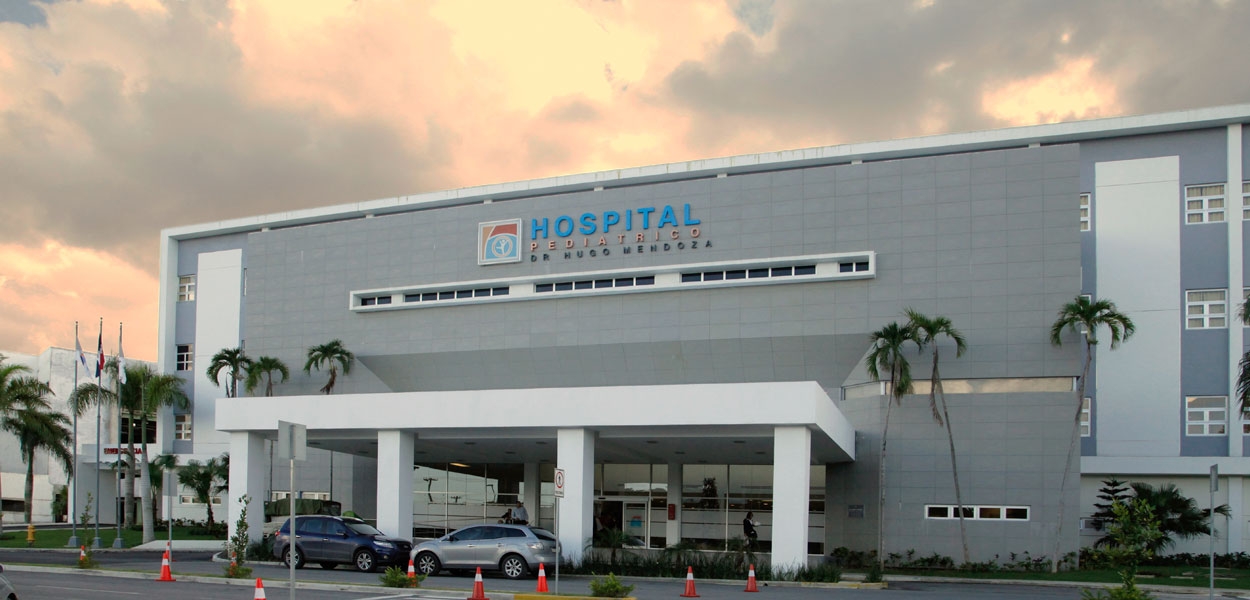
The predictive AI model developed by the team can warn of outbreaks and streamline public health responses, while informing prevention strategies. It uses the Breteau index, combining mosquito breeding site data with climate and anonymised patient data. The model is already in use in Hugo Mendoza Children's Hospital, which estimates as many as 500 lives may have been saved. “We already had alerts in August, and this allowed us to support the response at the local level,” says Dr. Rosario Yogel of the Ministry of Health.
“We can identify patterns that predict when or where
a Dengue outbreak might occur.”
— Dr. Manuel Colomé-Hidalgo
Overcoming Barriers
Barriers encountered by the team included lack of consistency in patient monitoring methods, meaning inconsistent data. The solution they found involved recoding variables, cleaning data, and cross-referencing databases with different sources to verify consistency. The team consulted direct sources such as medical records or clinical-epidemiological records - they are grateful to health authorities for their support. Another barrier was the lack of diagnostic capacity to confirm all cases. For this reason, the team only included cases confirmed by the National Public Health Laboratory. The rest were considered suspected cases. The team also relied on public donations of dengue tests and other data.
What next?
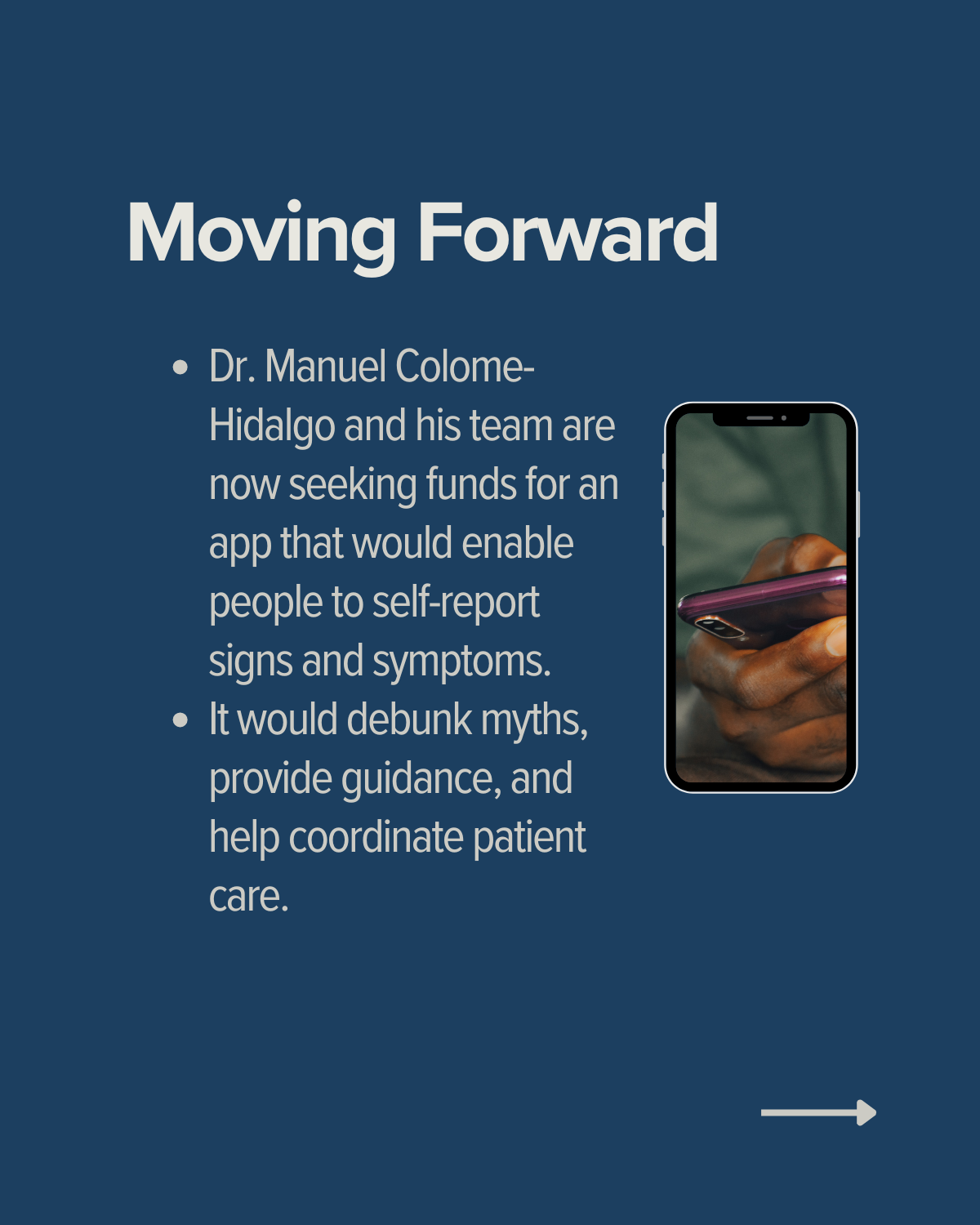
Dr. Manuel wants a community-based observation system, capable of making predictions not only in one province, but of pinpointing the actual street, opening the way to community-based care. Dr. Manuel and his team are now seeking funds for an app that would enable people to self-report signs and symptoms. It would debunk myths, provide guidance, and help coordinate patient care. The team's experiences are explored during a free summer research school. So far 388 students attended or completed the course, and 28 students have volunteered to keep teaching the school. Dr. Manuel is looking for support to scale up this school.
“Inviting people in and involving them in building
a solution to their own problem is one of
the best practices we've learned.”
— Dr. Manuel Colomé-Hidalgo