Past activity
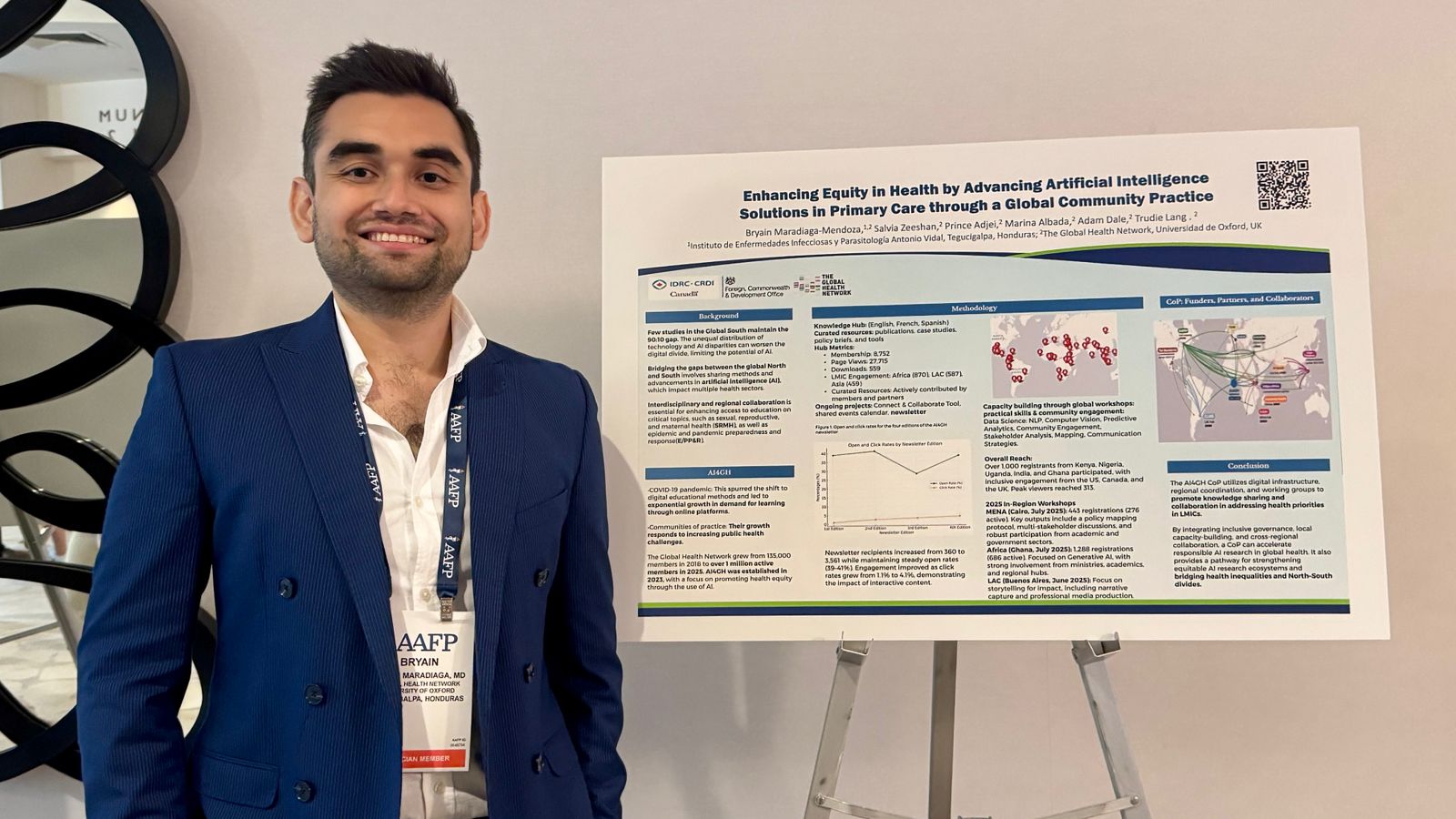
AI4GH Recognized at the 2025 Global Health Summit
AI4GH was highlighted on the international stage at the 2025 Global Health Summit, an event hosted by the American Academy of Family Physicians (AAFP) that brings together global health advocates, clinicians, educators, and researchers committed to advancing equity-centered care worldwide.
Bryain Maradiaga, AI4GH Regional Coordinator for Latin America and the Caribbean, was awarded the Global Health Summit Scholarship to present an abstract highlighting the initiative’s work in responsible artificial intelligence for strengthening health systems. His presentation introduced AI4GH’s collaborative model, community-of-practice approach, and regional capacity-building efforts to support researchers, practitioners, and policymakers across the Global South.
Participation in this event underscores the growing relevance of responsible AI in global health and highlights AI4GH’s contribution to innovation, equity, and knowledge sharing across regions.
AI4GH celebrates this achievement as a reflection of the initiative’s ongoing commitment to advancing ethical, inclusive, and context-appropriate applications of artificial intelligence to improve health outcomes worldwide.
The Summit offered a platform to explore key themes such as:
- Ethical and culturally sensitive engagement in global health partnerships
- Strengthening competencies for working in transnational and resource-constrained settings
- Addressing communicable and noncommunicable diseases in underserved regions
- Leadership development for clinicians and educators involved in global health
- Opportunities to apply global health principles within local contexts
Access more highlights from the conference here.
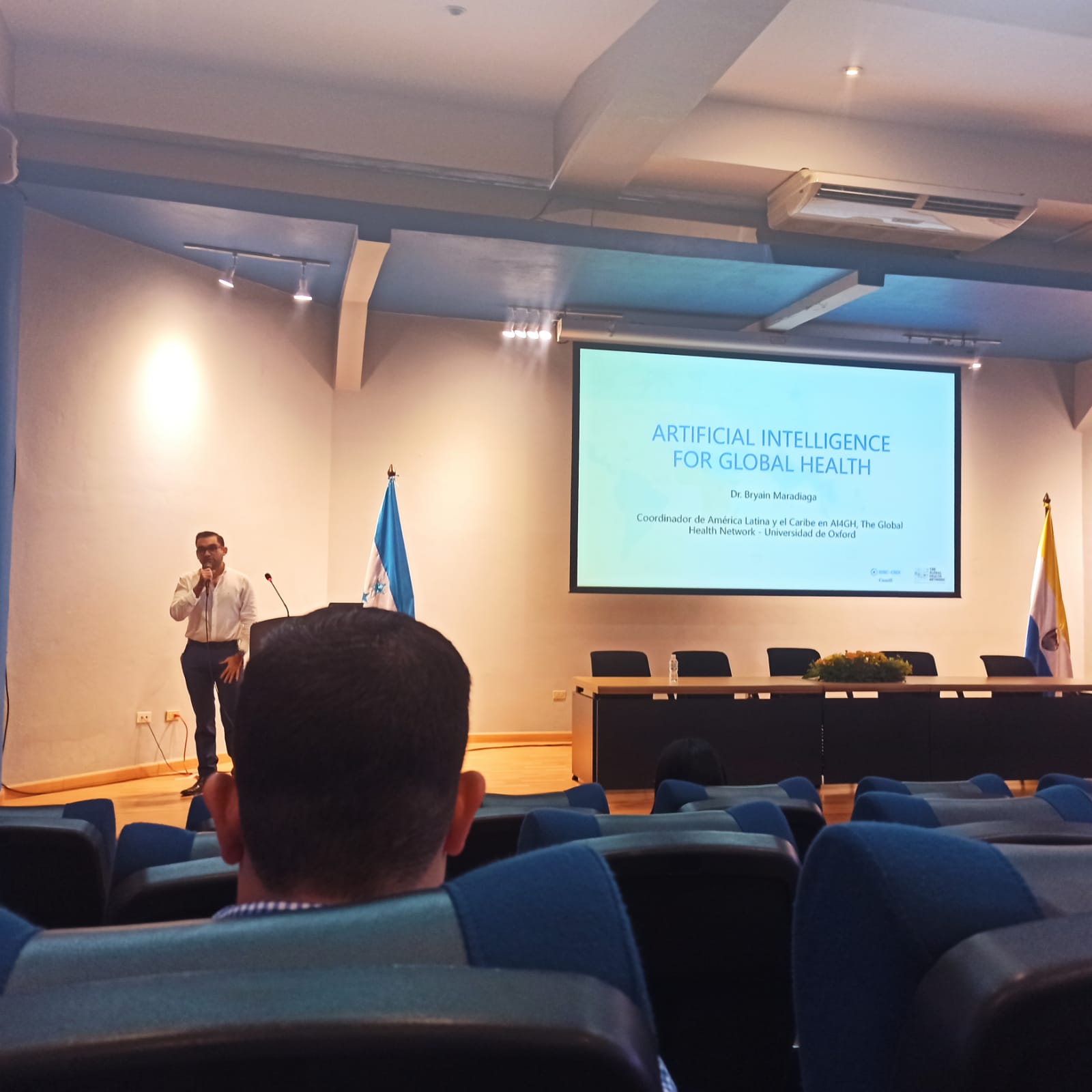
AI4GH Participates in the 2025 Postgraduate Congress with a Forum on Artificial Intelligence in Medical Teaching and Practice
As part of the 2025 Postgraduate Congress, AI4GH participated in a forum titled "Artificial Intelligence in Medical Teaching and Practice," which explored the applications, challenges, and opportunities of AI in academic training and clinical care. The event was moderated by Dr. Bryain Maradiaga, AI4GH LAC's regional coordinator, who presented a general overview of the AI4GH initiative and its role in promoting research and the responsible use of artificial intelligence in healthcare globally.
The panel consisted of leading specialists:
• Dr. Andrea Argenal, Gynecology and Obstetrics (Honduras)
• Dr. Nereida Aceituno, Internal Medicine and Endocrinology (Honduras)
• Dr. Manuel Colomé, PhD, Public Health and MSc in Research Ethics (Dominican Republic)
The discussion focused on the integration of AI in medical education, as well as the ethical and practical challenges associated with its use in clinical practice. The panelists shared their experiences and perspectives, highlighting the need to strengthen capacities in research, ethics, and regulation to ensure the responsible implementation of these technologies.
AI4GH's participation in this conference reinforces the network's commitment to academic training, knowledge exchange, and promoting the responsible use of artificial intelligence in health in Latin America and the Caribbean.
AI for Global Health Research Community of Practice: Global In-Person Engagement
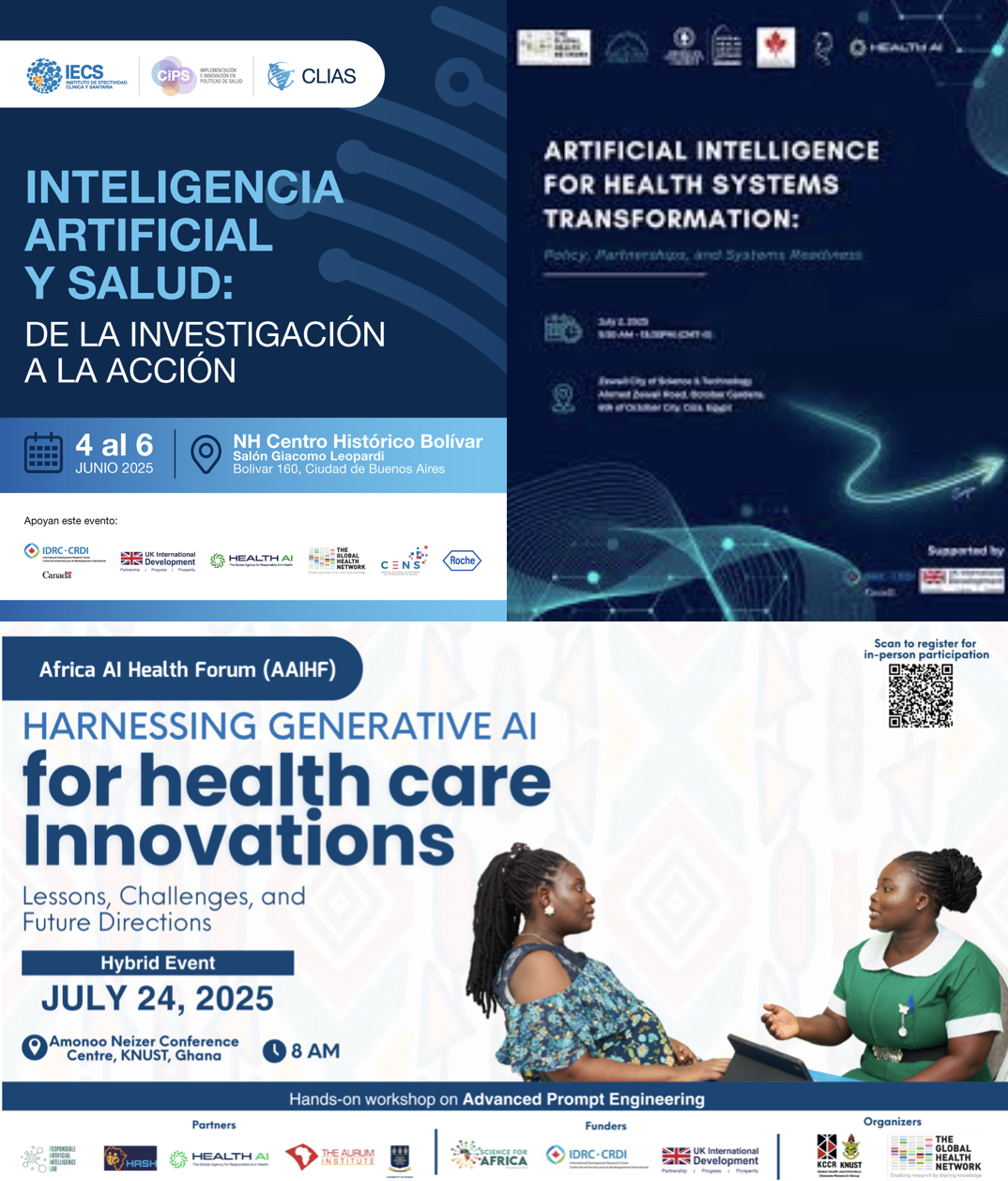
The AI4GH Community of Practice is actively engaging across regions through in-person events, creating spaces for collaboration and shared learning on responsible AI in health.In Africa, the Global Health Network hosted the “Africa AI Health Forum “on 24 July in Ghana. The event highlighted the use of generative AI for public health innovation, with a focus on disease surveillance, equitable access, and health system strengthening.
In the Middle East and North Africa region, the “Artificial Intelligence for Health Systems Transformation: Policy, Partnerships, and Systems Readiness” workshop took place in Egypt, co-hosted by TGHN, WHO EMRO, and partners. The event brought together stakeholders from MENA and Asia to explore ethical, policy, and technical barriers to AI adoption in health, and to promote regional collaboration and system readiness. Learn more
In Latin America, “AI and Health: From Research to Action” workshop held in Argentina gathered researchers, experts, and project teams from across the region to address the practical challenges of scaling AI in healthcare. The event, hosted by CLIAS (IECS) with support from TGHN and partners, focused on responsible AI implementation and collaboration for equitable health impact. Read more
67th National Medical Congress 2025: Practice, Knowledge, Innovation
This edition's theme focused on "Practice, Knowledge, Innovation: Joining Forces in Medicine." Experts, researchers, and professionals from different health disciplines shared knowledge, experiences, and new practices that strengthen our work and the well-being of patients.
Based on consolidated knowledge and clinical experience, innovative approaches have been developed to address the challenges facing global health. From early disease detection to the prevention of new infectious agents, including health promotion strategies and the implementation of cutting-edge treatments, we will explore the future of healthcare together.
Artificial Intelligence for Global Health Research and the Antonio Vidal Institute participated in the 67th COMENAC 2025 National Medical Congress (COMENAC 2025), held from July 9 to 12, 2025, in San Pedro Sula, Honduras. COMENCA 2025 is organized by the Honduran Medical Association and is the most important medical event in the country. It brings together health professionals, researchers, academics, and students to share experiences, generate new alliances, and strengthen scientific knowledge. With a hybrid format (in-person and virtual), the congress offers a strategic space for academic exchange, continuing education, and health innovation.
The scientific program included open presentations, including the experience of Dr. Bryain Maradiaga, Regional Coordinator for Latin America and the Caribbean of AI4GH for TGHN. The open presentation, entitled "Strengthening Health Systems and Research through Shared Strategies in a Global Community of Practice," describes the challenges and benefits of using digital tools and hybrid formats, facilitating an iterative process of learning and adaptive implementation that seeks to improve regional health systems and research ecosystems through the responsible use of artificial intelligence in health, with a special focus on sexual and reproductive health, and preparedness, prevention, and response to epidemics and pandemics.
The Compendium of Abstracts is available as a COMENAC 2025 Supplement to the Revista Médica Hondureña.
This paper explores the connection between AI solutions and global health, identifying evidence gaps and opportunities to utilize AI responsibly to combat health inequity and strengthen health systems. This proposed research landscape addresses global health trends and issues while establishing prerequisites like regulation, data quality, gender equality, ethics, and equitable Global South-led partnerships. It proposes three entry points for research: health services, community surveillance, and individual health. Evaluating AI development and deployment is critical, and ensuring scaling is a thoughtful choice. Responsible scaling can address vulnerabilities and improve lives, aiming for strong, resilient health systems. AI can either reduce or worsen health inequities. By strategically advancing research, the Global South can influence the creation of equitable, rights-based AI solutions.
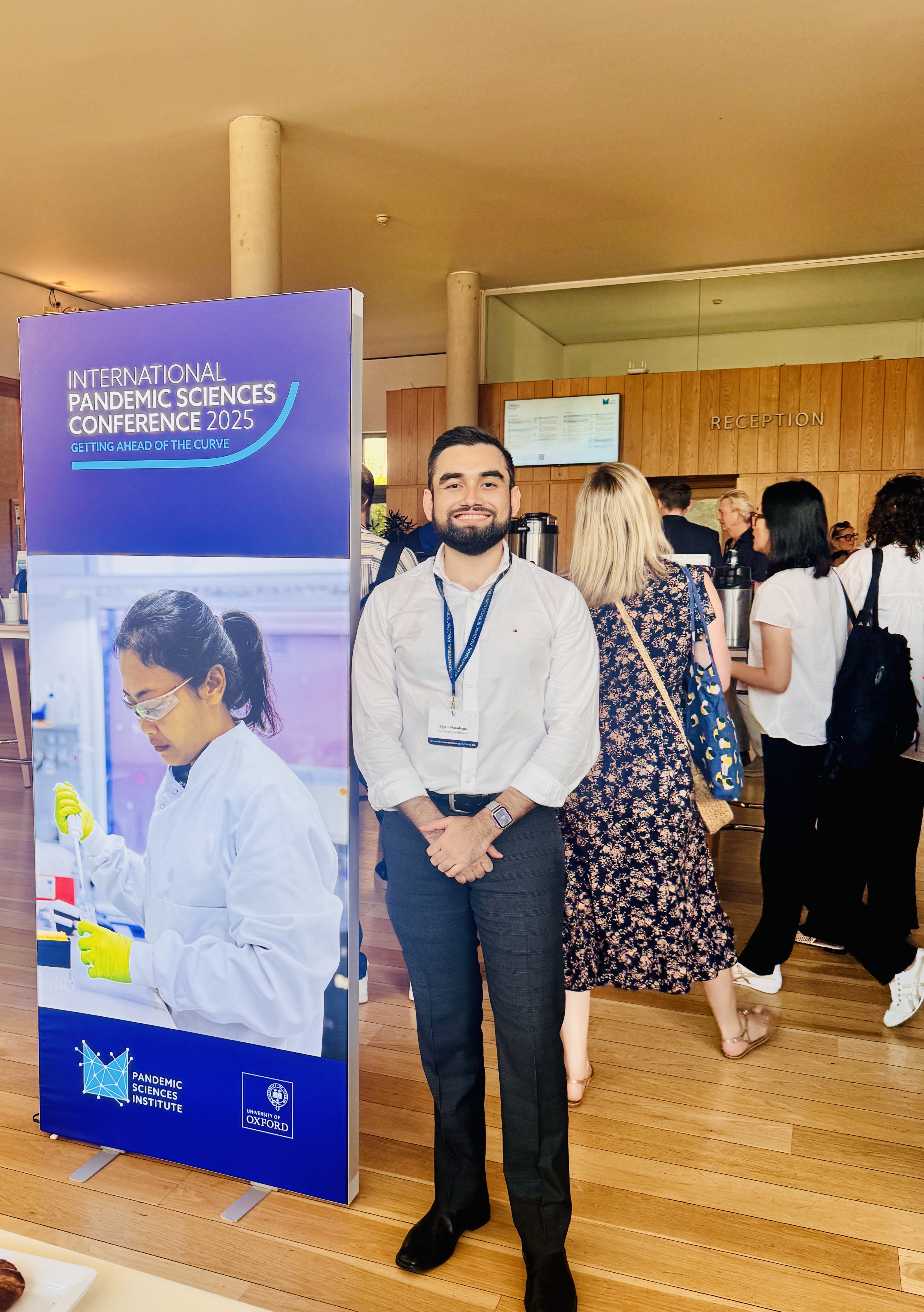
International Pandemic Science Conference 2025
Oxford and online from June 30 to July 1, 2025.
Hosted by the Pandemic Sciences Institute, this year’s conference theme, Getting Ahead of the Curve, explored how we can work together to better predict, identify, and control epidemic and pandemic threats globally.
AI4GH and The Global Health Network participated in the International Pandemic Science Conference, by representation of Dr. Bryain Maradiaga, Coordinator for Latin America and the Caribbean region at AI4GH from the Global Health Network, presented an overview of the AI Hub for Global Health, which aims to advance the design and use of responsible AI that improves equitable health outcomes by connecting ideas, people, and capacity-building opportunities. The initiative is funded by the International Development Research Centre (IDRC) and the Foreign, Commonwealth & Development Office (FCDO)
The conference consisted of 5 Plenary sessions and 6 Parallel sessions.
Plenary 1: Welcome and Keynote
Plenary 2:Prediciton and Surveillance
Plenary 3: Next generation disease control
Plenary 4: Bridging the gap
Plenary 5:Awars and Ceremony and closing remarks
Parallel A: Ethics, social sciences, and humanities
Parallel B: Epidemiology, data and analytics
Parallel C: Vaccines and immunology
Parallel D: Diagnostics, treatment, and care
Parallel E: Pathogen biology and new threats
Parallel F: Policy, politics and practice
Parallel G: Public and patient involvement and engagement
Event photos
Dr. Bryain Maradiaga gave an oral presentation in the Parallel A session: Ethics, social sciences and humanities. This session explored how research perspectives from the disciplines of ethics, social sciences, and humanities play a crucial role in framing discussions around and guiding approaches to predicting, detecting, and controlling infectious disease research and response globally.
Chairs:
- Professor Michael Parker, Ethox Centre Director and Professor of Bioethics, Pandemic Sciences Institute, University of Oxford
- Professor Mehrunisha Suleman, Associate Professor and Director of Medical Ethics and Law Education, Pandemic Sciences Institute, University of Oxford
Presentations from abstracts:
- Amy Paterson (University of Oxford)
- Devika Kapoor and Sumair. Nizamuddin (RAND Europe/Nuffield Council on Bioethics)
- Kerrie Wiley (University of Sydney), Charlotte
- Waltz (Erasmus University, Rotterdam)
- Jamie Webb (University of Oxford)
- Bryain Maradiaga (The Global Health Network, Honduras)
- Kate McNeil (University of Oxford)
- Goodness Odey (Global Health Focus, Nigeria)
- Omotolani Ebenezer Ekpo (Federal University Wukari, Nigeria)
See abstracts: here
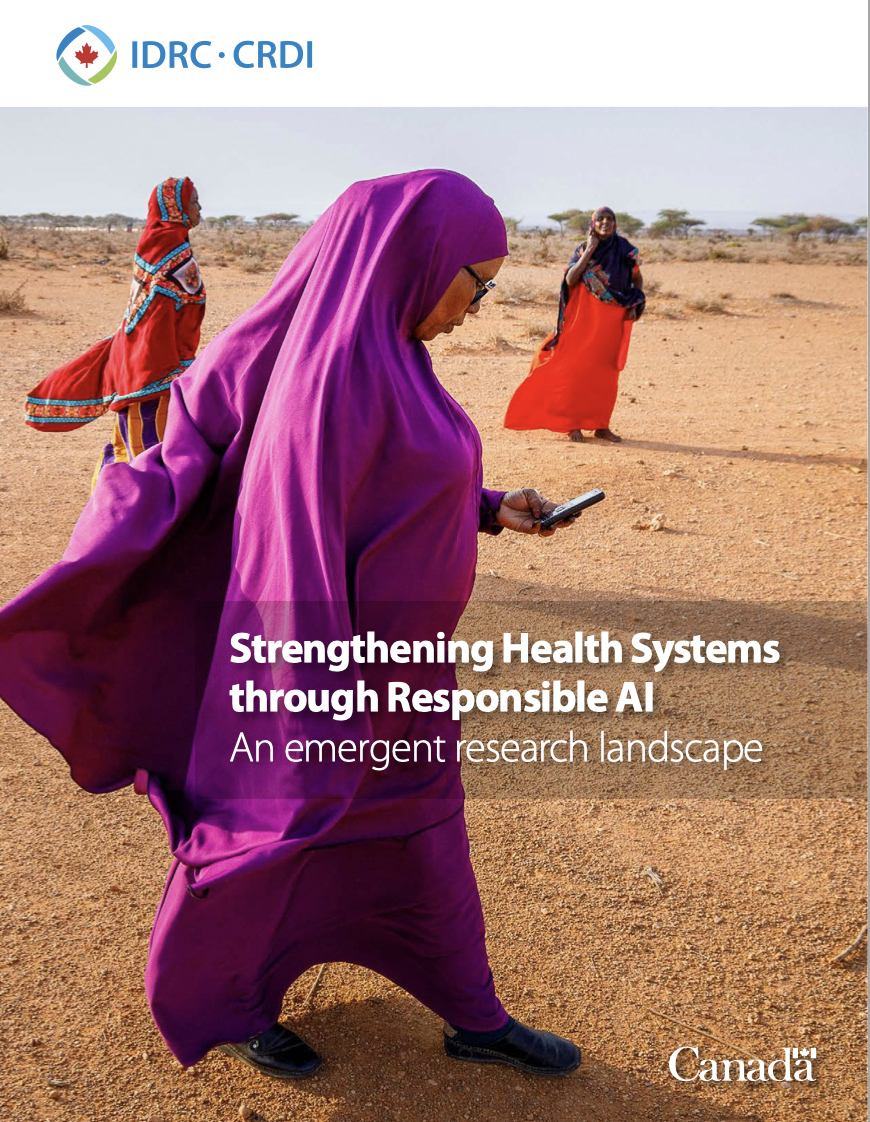
Strengthening Health Systems through Responsibile AI
This paper explores the connection between AI solutions and global health, identifying evidence gaps and opportunities to utilize AI responsibly to combat health inequity and strengthen health systems. AI advances the management of diseases through diagnostics, preventive care, healthcare planning, clinical decision-making, public health surveillance, drug discovery, and health threat responses. However, evidence on AI’s application in global health is lagging. The responsible use of AI must focus on knowledge gaps, ethical implications, and the needs of underserved populations, particularly from a Global South perspective. This proposed research landscape addresses global health trends and issues while establishing prerequisites like regulation, data quality, gender equality, ethics, and equitable Global South-led partnerships. It proposes three entry points for research: health services, community surveillance, and individual health. Evaluating AI development and deployment is critical, and ensuring scaling is a thoughtful choice. Responsible scaling can address vulnerabilities and improve lives, aiming for strong, resilient health systems.
AI can either reduce or worsen health inequities. By strategically advancing research, the Global South can influence the creation of equitable, rights-based AI solutions. Donors and research organizations must prevent AI from perpetuating inequalities. This landscape ignites discussions that lead to action, guiding global research toward achieving the Sustainable Development Goals by 2030.
Discover the initiative and its role in innovating healthcare on a global scale. By reading the discussion paper: Strengthening Health Systems through Responsible AI An emergent research landscape.
As part of the Global Clinical Research Pathways Project, the Academy of Medical Sciences, one of the National Academies of the United Kingdom, in collaboration with the National Academy of Medicine of Brazil and the National Academy of Sciences of Brazil, has developed the Workshop: Clinical Research Pathways Latin America. This workshop will establish a global working group focused on clinical research pathways in various regions across the Global South. This session is based in Latin America and will unite researchers from The Global Health Network Latin America and the Caribbean and other practice communities, such as AI4GH, with representation of Dr. Bryain Maradiaga, including participants from Honduras, Colombia, and Peru.
The workshop, scheduled for December 10 and 11, 2024, in Rio de Janeiro, Brazil, will emphasize enhancing institutional capacity to support and empower clinical research professionals. It will also facilitate knowledge sharing on solutions among participants from Asia, Africa, and Latin America.
The workshop will spotlight four main working groups: Infrastructure, Training Opportunities, Funding for Research Career Development, and Research Governance. It aims to gather data on the current landscape of clinical researchers' academic careers, identify challenges, formulate recommendations, and create proposals. This initiative is poised to advance the leadership in research that LAC promotes, with active involvement from health professionals at the School Hospital and partner institutions.
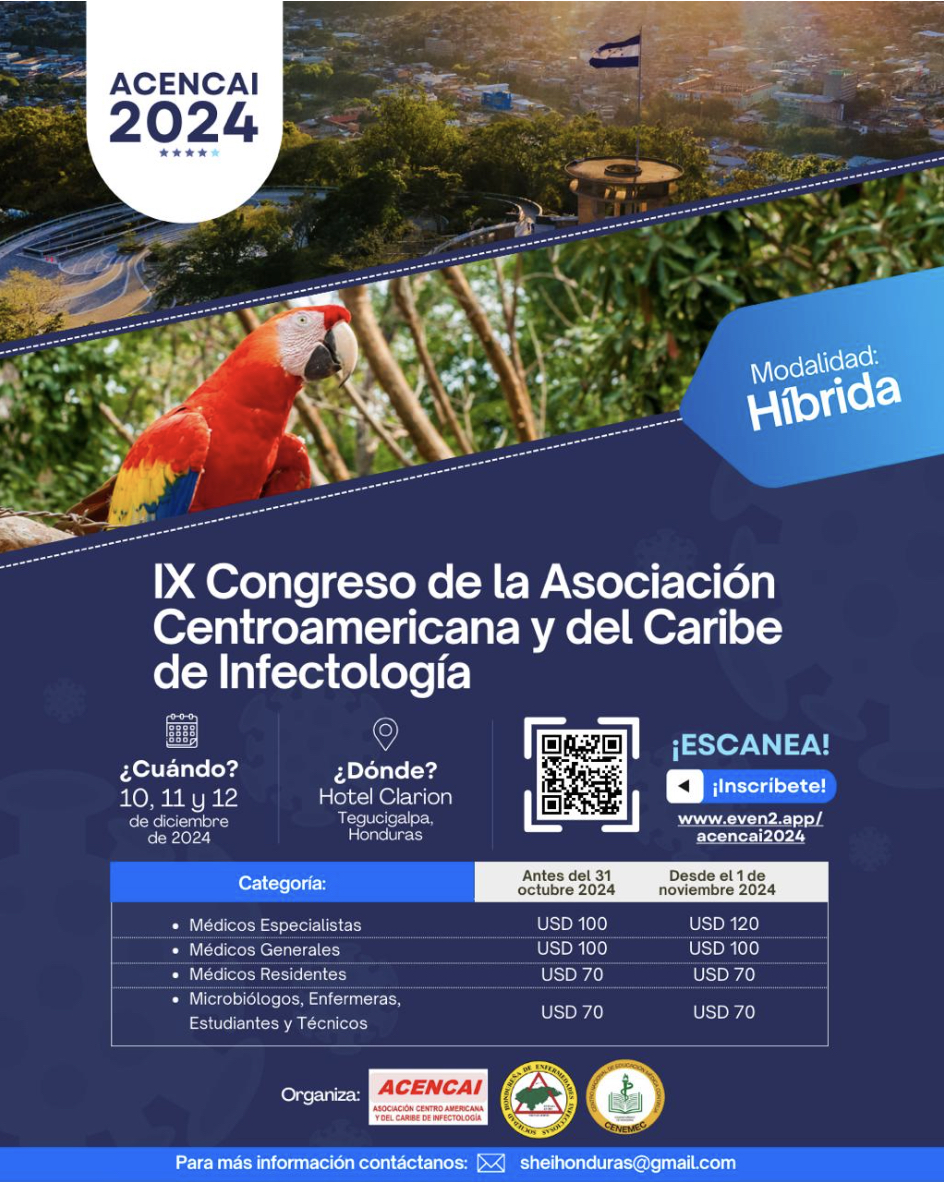
The IX Congress of the Central American and Caribbean Association of Infectology (ACENCAI) will occur from December 10 to 12, 2024, in Tegucigalpa, Honduras. Organized by the Central American Infectious Disease Association, this event is a platform for presenting and discussing the latest advancements in infectious diseases. The Honduran Society of Infectious Diseases (SHEI) oversees the organization of this ninth iteration of the congress. It will be held in a hybrid format, allowing in-person and virtual participation.
The Global Health Network, represented by the Artificial Intelligence for Global Health Research (AI4GH) community of practice, will contribute to the congress by presenting a poster in the experience category titled: “Driving AI and Infectious Disease Education Projects Through Virtual Workshops for a Global Community of Practice.” This poster will showcase webinars, workshops, and newsletters organized by AI4GH research, highlighting metrics demonstrating how these tailored activities address the community's needs, enhance participant engagement, and strengthen active membership.
The Global Health Network Honduras was also actively involved in building the capacity of the attendees through various activities and poster presentations, which you can read about on their news page.
If you wish to view the poster and further information regarding the event, please click on the highlighted words, and it will be re-directed to the desired information: .

AI4GH is excited to share that the Foreign, Commonwealth & Development Office (FCDO) has become a founding partner of the AI4GH initiative, bolstering the joint commitment to advancing responsible AI in global health. As the UK government’s international development and diplomacy agency, the FCDO focuses on alleviating global poverty, enhancing health systems, and fostering sustainable development. Their support will allow AI4GH to broaden its initiatives in capacity building, policy creation, and knowledge dissemination, ensuring that AI-driven health solutions are ethical, inclusive, and effective for communities around the globe.
A Shared Vision for Global Health Equity: AI4D-AI4GH and FCDO align on key priorities, including:
- Strengthening AI for healthcare in low- and middle-income countries (LMICs)
- Fostering ethical AI development and governance
- Building local expertise through capacity-strengthening initiatives
- Promoting inclusive, equitable access to AI-driven healthcare solutions
This partnership marks a significant step toward ensuring that AI technologies are designed and deployed to benefit all communities, particularly those in underserved regions.
Learn more about FCDO’s work: FCDO Website.
Researchers, partners, and IDRC-supported staff will attend the Eighth Global Symposium on Health Systems Research in Nagasaki, Japan, from November 18 to 22, 2024.
 The symposium's theme is “Building Just and Sustainable Health Systems: Centering People and Protecting the Planet.” The focus is making data and evidence available and accessible for action by health actors and decision-makers to make health services more accessible, especially to vulnerable populations, and enhance prevention and control efforts for global health threats.
Bridging the gap: From AI innovations to health care transformation in low- and middle-income countries
Wednesday, November 20 | 2:10 PM - 5:40 PM (JST) | Venue: Room 101 (B), Dejima Messe Nagasaki Convention Center
In this workshop, IDRC Senior Program Specialist Chaitali Sinha, Cintia Cejas from the Center for Implementation and Innovation in Health Policies (Argentina), Noor Rakhshani from Precision Health Consultants (Pakistan), and Elizabeth Oseku from the Infectious Diseases Institute (Uganda) will co-moderate a panel highlighting the following projects:
- Innovation hub in Latin America and the Caribbean on using artificial intelligence to improve sexual, reproductive, and maternal health represented by Adolfo Rubenstein, Center for Implementation and Innovation in Health Policies, Argentina
- Responsive and responsible artificial intelligence for improving sexual, reproductive, and maternal health in South Asia represented by Mohammed Imran, Precision Health Consultants (PHC), Pakistan
- Innovation hub in the Middle East and North Africa on using artificial intelligence to improve sexual, reproductive, and maternal health represented by Nadine Sabra, American University of Beirut, Lebanon
- Innovation hub on artificial intelligence for sexual, reproductive, and maternal health in Africa represented by Elizabeth Oseku
- Supporting responsible AI for global health represented by Peiling Yap, HealthAI, Switzerland
- Enhancing the impact of artificial intelligence for global health through knowledge sharing and translation represented by Trudie Lang, The Global Health Network, UK
- Artificial Intelligence applications to support epidemic and pandemic prevention, preparedness and response represented by Jude Kong, University of Toronto, Canada
The aim is to present and discuss the progress and challenges of low‐ and middle-income countries regarding artificial intelligence (AI) research and implementation in health. It will include reflections on real cases and the presentation of ongoing projects supported by the AI for Global Health (AI4GH) initiative.
Navigating responsible AI for equitable and just health systems in the Global South
Thursday, November 21 | 11:40 AM - 1:10 PM (JST) | Venue: Room 110, Dejima Messe Nagasaki Convention Center center
IDRC-supported researchers involved in the AI4GH initiative will discuss the opportunities and challenges of developing responsible AI tools. Insights from teams across the Middle East, Latin America and the Caribbean (LAC), Africa, and Asia will shape the discussion. Moderated by Mohammed Imran from PHC, the session will showcase real-world examples such as:
- Jacaranda Health, on how a scaled AI-enabled system can help strengthen respectful and quality maternal and newborn health (represented by Anneka Wickramanayake).
- The Global South AI for Pandemic & Epidemic Preparedness and Response (AI4PEP), on developing localized AI-enabled solutions to strengthen health system responses to climate change and other drivers of disease outbreaks (represented by Jude Kong).
- Four regional innovation hubs focused on using AI-enabled solutions to improve sexual, reproductive, and maternal health outcomes across the Global South – in Africa, represented by Elizabeth Oseku, LAC represented by Cintia Cejas; the Middle East, represented by Nour El Arnaout and Asia, represented by Mohammad Imran.
AI4GH: Achievements, Lessons Learned, and Way Forward
Thursday, November 21 | 14:00-16:00 (JST) | Venue: Kapiteinskamer I and II, Hilton Hotel
IDRC will host this session, which will involve AI4GH's co-funders, UK International Development, and speakers from the different projects and innovation hubs that comprise AI4GH. Other IDRC grantees from various regions and Global Health Network members will be in Nagasaki to discuss their research activities.
Learn and read more about the conference here.
Empowering Communities- Innovative Approaches to AI Health Research and Engagement
CLIAS-CIIPS continues to explore how technological innovations, information, and artificial intelligence
are improving the exercise of sexual, reproductive, and maternal health rights in the region.
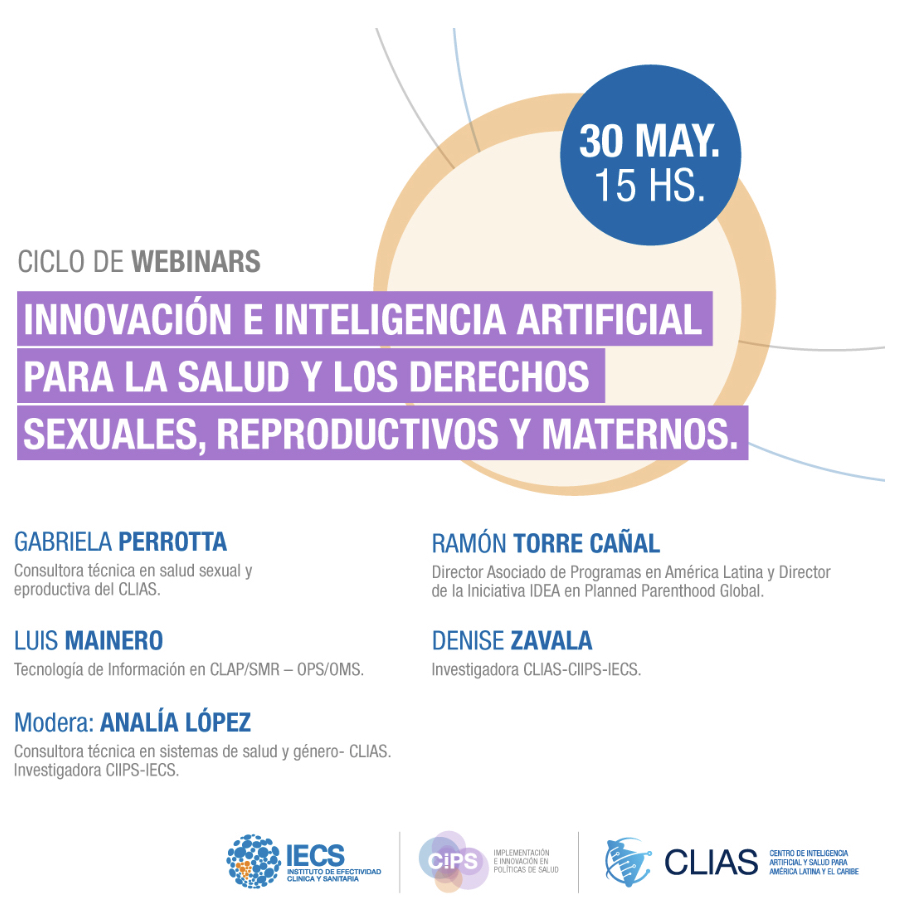
By joining the webinar Innovation and Artificial Intelligence for Sexual, Reproductive, and Maternal Health and Rights, you will gain insights from leading specialists who will address and analyze the challenges associated with these innovations. This knowledge will equip you with a deeper understanding of the impact of technological advancements on sexual, reproductive, and maternal health and rights.
Speakers:
- Gabriela Perrotta-Technical consultant in sexual and reproductive health at CLIAS
- Luis Mainero-Information technology in CLAP/SMR-PAHO/WHO
- Denise Zavala-CLIAS-CIIPS-IECS researcher
- Ramon Torre Cañal-Associate Director of Programs in Latin America and Director of the IDEA Initiative at Planned Parenthood Global.
- Moderated by Analía López, technical consultant in health and gender systems- CLIAS. CIIPS-IECS researcher.
IEEE 37th International Symposium on Computer-Based Medical Systems (CBMS) 2024

Mark your calendars for the upcoming premier medical informatics and biomedical informatics conference! It will take place from June 26th to 28th in Guadalajara, Mexico, and will be hosted at Tecnológico de Monterrey, Campus Guadalajara. The conference welcomes in-person and online presentations, providing academic and industrial scientists a platform to exchange ideas and technologies. The event features keynote talks, tutorials by leading experts, and technical sessions covering various topics, including active and healthy aging systems, big data analytics in healthcare, medical robotics, and more. Don't miss the chance to publish your research in the conference proceedings by IEEEXplore! If you have something valuable to contribute to the research areas outlined in the Call for Papers, submit your contributions now and be part of this exciting conference.
If you wish to read more about this conference, please visit their website.
AI4GH In-person meeting: Nairobi, Kenya 2023
Delegates representing the AI4GH (Artificial Intelligence for Global Health) initiative participated in a meeting that covered various cross-cutting topics and issues.
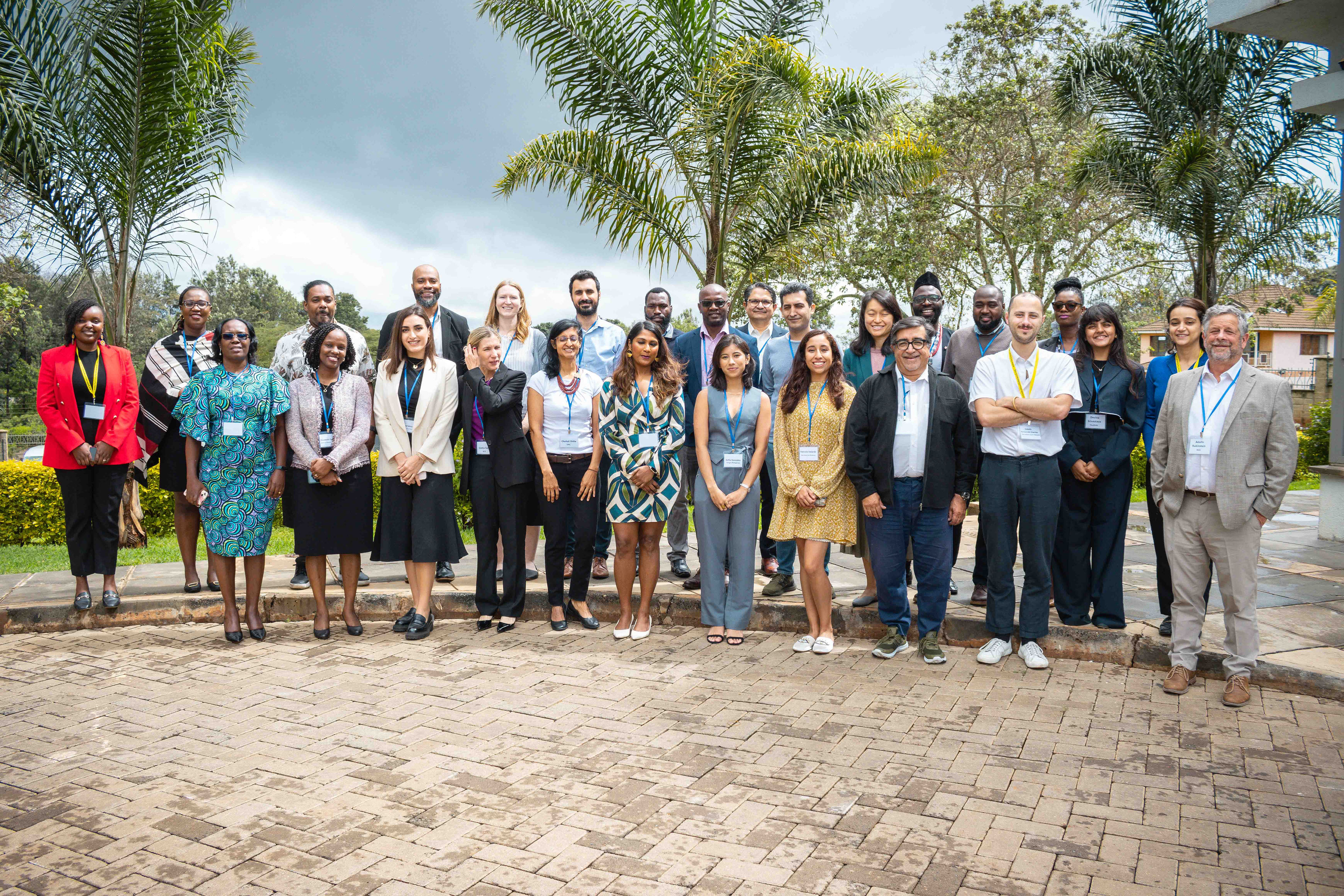
From November 13th to 15th, The Global Health Network organized a three-day event in Nairobi. The International Development Research Center funded the event and aimed to bring together brilliant minds in global health. The focus was on promoting cross-pollination and collaboration between the initiative partners.
During the event, partners engaged in various activities, such as exchanging ideas and exhibiting solutions related to their AI solutions. The event provided participants with a platform to better understand past, present, and potential challenges and solutions related to AI applications in global health.
The main goals of the meeting were to:
- Share the partners' achievements, milestones, successes, best practices, and challenges in AI-driven health solutions.
- Share their plans and collect feedback on upcoming skill-sharing or training programs.
- Share their current practices and goals for aligning projects on ethics, responsible AI, and gender-responsive AI principles.
- Entice discussions about the findings from the gap analysis study
Outcomes:
- Recognition of common focus areas, successes, or challenges from the project presentations, discussions, and identification strategies and next steps for addressing them.
- Further recommendations for addressing the identified gaps.
- Establishing a strong foundation for continuous collaboration and sharing among AI4GH partners, with an agreement on what knowledge can be shared and how it can be achieved
Attendees are from Asia, Africa, MENA, and LAC regions, including:
- Instituto de Efectividad Clinica y Sanitaria (IECS), Argentina: Adolfo Rubinstein and Cintia Cejas
- PHC Global, Pakistan: Mohammad Imran and Kamran Aslam
- The Infectious Diseases Institute (IDI), Uganda: Elizabeth Oseku and Agnes Bwanika
- Villgro Philippines, Philippines: Priya Thachadi and Sofia Gonzalez
- Tecnologico de Monterrey, Mexico: Enrique Cortes Rello and Fabiola Velarde
- York University, Canada: Jude Kong, Jean-Jacques Rousseau and Liswa Luhlanga
- American University of Beirut, Lebanon: Nadine Sabra and Zahi Abdul Sater
- Villgro Africa, Kenya: Deogratias Mzurikwao and Amadi Growman
- Jacaranda Health: Stanslaus Mwongela and Sharon Ochieng
- IDRC, Canada: Chaitali Sinh, Gillian Dowie, and Samuel Oji Oti
- Health AI: Evangelia Baka, Peiling Yap, and Devina Srivastava
- The Global Health Network, England: Salvia Zeeshan, Louis Karasinski-Stanley, and Christine Kirima
Attendees were inspired to commit themselves to working towards this goal, focusing on ensuring that AI solutions are developed and deployed responsibly and equitably. Overall,the event was a huge success and provided an excellent opportunity for participants to network, share knowledge and ideas, and collaborate on innovative solutions for global health.
PARTICIPATION IN THE NATIONAL MEDICAL CONGRESS, SANTA ROSA DE COPÁN, HONDURAS, OCTOBER 2023
 From October 25 to 28, 2023, the LXV National Medical Congress was held in Santa Rosa de Copán, Honduras, with seven pre-congress workshops, 52 keynote lectures, and 106 abstracts, presented in oral (70) and poster (36) format.
Two abstracts were presented on the collaborative work between Instituto de Enfermedades Infecciosas y Parasitología Antonio Vidal and The Global Health Network. This highlights TGHN's ethos and promotes new opportunities for collaboration as it serves as a platform for visibility for the different Communities of Practice that encompasses TGHN.
The conference's scientific committee opens the floor for papers on experiences, clinical cases, and research results. Dr. Jackeline Alger, Latin American Lead in the TGHN LAC Hub, presented an abstract titled "Connecting Excellence and Sharing Knowledge for Greater Equity in Health Research: experience of The Global Health Network Latin America" in poster format (Abstract #97) and was awarded first place in the poster, experience category.
Dr. Bryain Maradiaga, Regional Coordinator for LAC in the AI4GH Research Hub, presented an abstract titled "Promoting the Responsible Use of Artificial Intelligence in Health: Experience Building a Global Community of Practice" in oral format (Abstract #58) and was awarded first place in the oral, experience category.
The scientific program, including a compendium of abstracts, was published as the National Medical Congress Supplement of the Revista Médica Hondureña. Access the programme
SFA Foundation is seeking your insights to bridge development, application, and policy gaps of AI and Data Science in Africa: Let your voice be heard by completing this survey
 SFA Foundation is seeking to build an understanding of the gaps in national, regional and continental policies for the development, application and governance of AI and Data Science in global health across the continent. Emphasis is placed on, but not limited to, policies for data science and AI applications for Genomics, Epidemics and Pandemics, Clinical trials, and Drug development. Understanding trends and gaps will inform stakeholders to influence policy, and strengthen the research and innovation landscape. The SFA Foundation is seeking perspectives on this area and convening key stakeholders to dialogue and develop interventions to address policy gaps in AI and Data Science for global health in Africa. In this regard SFA is requesting those involved in African AI and data science to participate in a survey. Your responses will be kept confidential and personal information will not be shared with any third party. The estimated time to complete this survey is no more than 10 minutes.
Learn more about Science for Africa' Survey in English.
Learn more about Science for Africa' Survey in French.
Regional hubs catalyze AI to improve women's health
The Sustainable Development Goal (SDG) target for maternal mortality is not being met, and there are still high rates of child marriage and teen pregnancy. Additionally, there are significant gaps in access to contraception, safe abortion, post-abortion care, and comprehensive sexual and maternal health education. The field of maternal, sexual, and reproductive health (MSRH) is particularly lagging, but there are significant opportunities and risks associated with AI that could help improve the situation.
The AI4GH initiative by IDRC is working to fund researchers in low- and middle-income countries to develop responsible AI solutions that can improve MSRH for women and girls in a more effective and equitable manner. The initiative has established four regional hubs to support the capacity of regional and local institutions to oversee research and build research networks, with each one designed to advance MSRH and rights while strengthening health systems within their respective region through the responsible development of AI innovations.
Read more about these four Partner's Hubs:
- Latin America and the Caribbean: Center for Artificial Intelligence and Health for Latin America and the Caribbean (CLIAS)
- Africa: Hub for Artificial Intelligence in Maternal, Sexual and Reproductive Health in Africa (HASH)
- South Asia: Precision Health Consultants (PHC Global), AI-SAROSH
- Middle East and North Africa: American University of Beirut, AUB. GHAIN MENA(Global Health Artificial Intelligence Network in the Middle East and North Africa region)
Seed grants to commercialize responsible artificial intelligence innovations in global health
23 startups — across Africa, Latin America, and the Caribbean (LAC), and Asia — are receiving financial and technical support, including mentorship, skills strengthening, and networking opportunities to strengthen business models focused on health equity, gender equality and inclusion. The recipients, sponsored through IDRC’s Artificial Intelligence for Global Health initiative, will share knowledge and experiences within and across regions, as well as with other partners.
Read more about these three incubators:
- Latin America and the Caribbean: Tec de Monterrey
- Africa: Villgro Africa
- Asia: Villgro Philippines
¡Perspectivas y enfoques para América Latina y el Caribe! [Perspectives and Approaches for LAC]
 El Centro de Inteligencia Artificial y Salud para America Latina y el Caribe (CLIAS), una iniciativa del IECS; comparte este documento para abordar la situación de la Inteligencia Artificial (IA) en salud en América Latina y el Caribe (ALC), desde una perspectiva regional.
Estos documentos tienen por objetivo aportar al conocimiento de la región, abordando distintos ejes y perspectivas relevantes en el análisis de esta temática.
Encuentralo aqui. [English Version]
Sitio web oficial: https://clias.iecs.org.ar/
AI4PEP Launches the First Edition of their Newsletter!
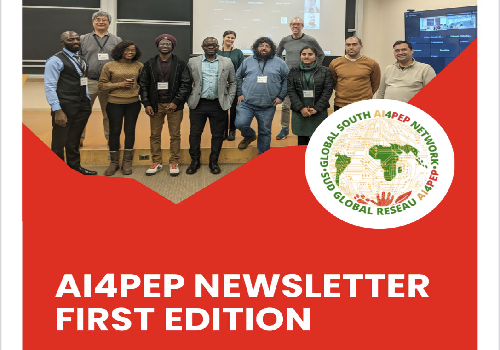 Global South AI4PEP Network-Global South Artificial Intelligence for E/PPR from York University.
Learn about Global South AI4PEP Network recent activities and more, in the first edition of their newsletter. Read the newsletter
Learn more about York University's Initiative here.
Official website: https://www.yorku.ca
Information Session on the GHAIN MENA CALL FOR PROPOSALS
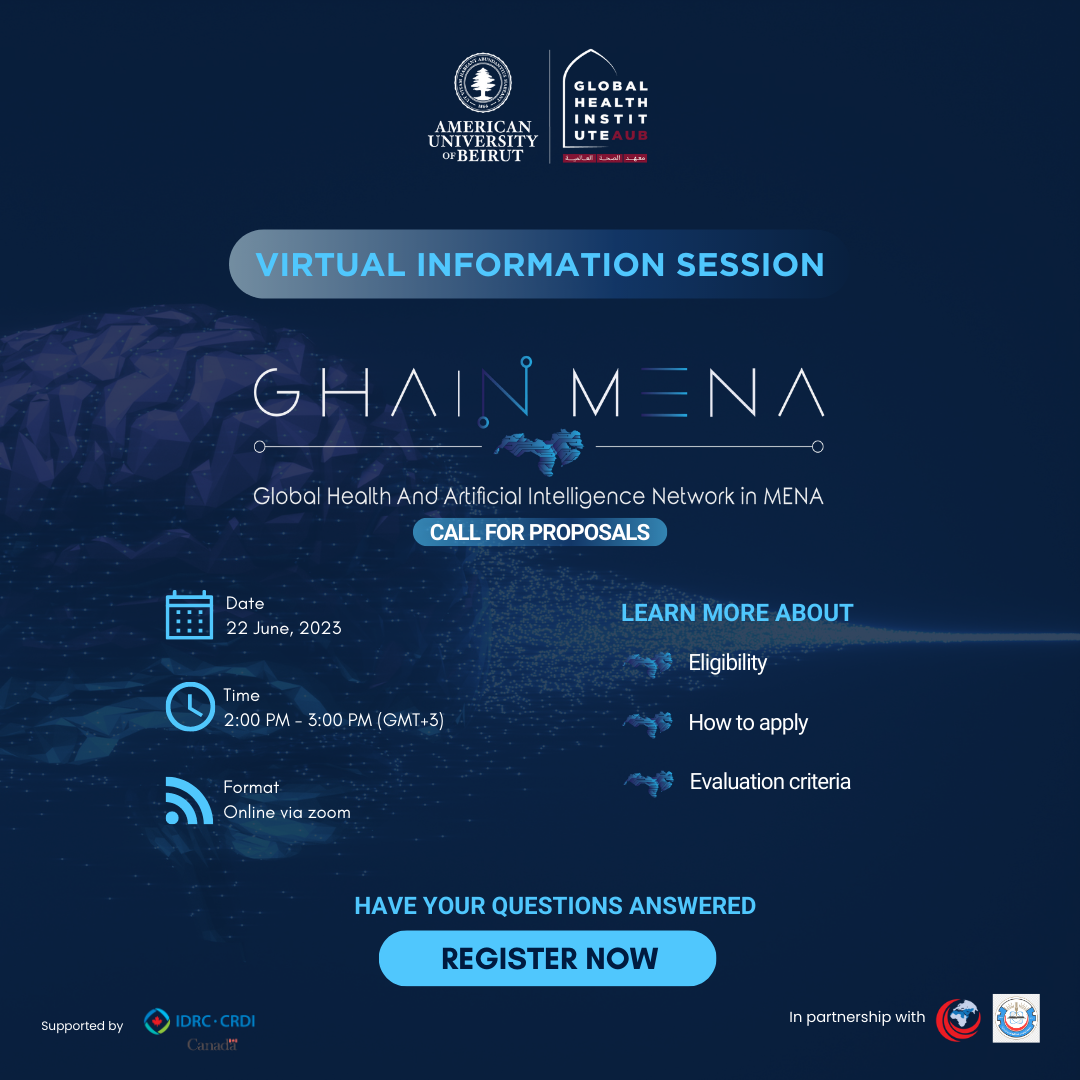 This is to inform you that the Global Health Institute (GHI) at the American University of Beirut (AUB) held a virtual information session about the Call for Proposals launched by the Global Health and Artificial Intelligence Network in the Middle East and North Africa region (GHAIN MENA).
Date: Thursday, June 22, 2023
Time: 2:00pm - 3:00pm (Beirut Time GMT +3:00)
Webinar AI-Sarosh 2023 Grant Cycle: Full Proposal Development Assistance
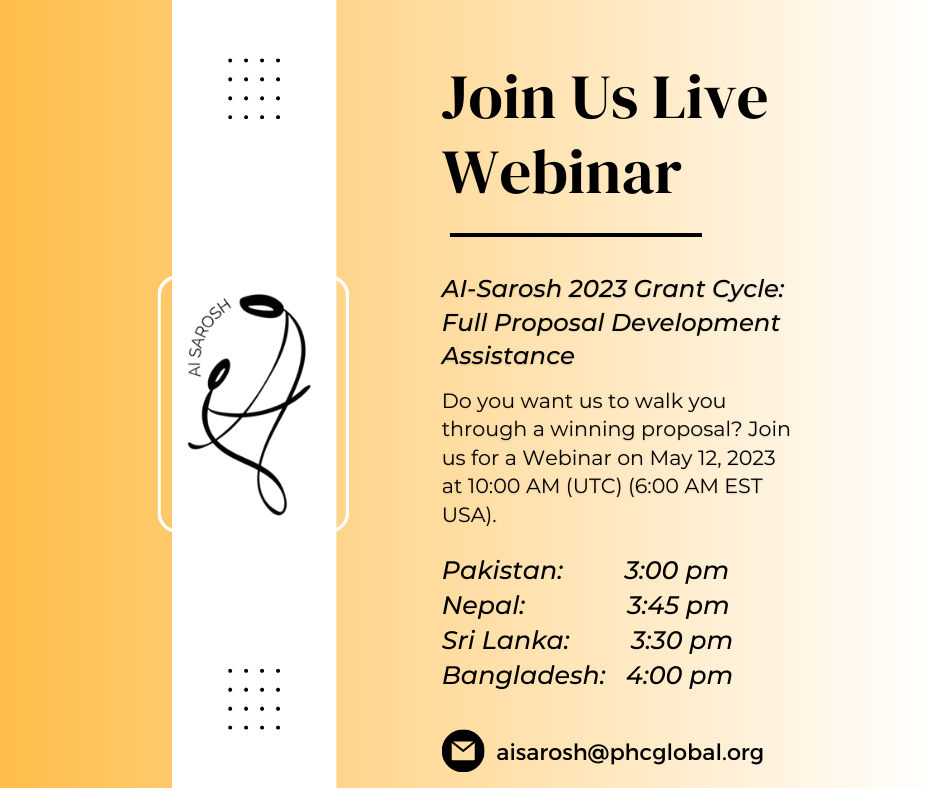 AI-SAROSH is a knowledge hub for responsible use of Artificial Intelligence for Sexual, Reproductive and Maternal Health in South Asia.
Webinar to walkthrough the requirements of a wining proposal, what ideas were encouraged during the grant cycle and Q&A to address your queries.
Webinar was on May 12, 2023 at 10:00 AM (UTC) (6:00 AM EST USA).
Webinar AI-Sarosh 2023 Grant Cycle: Reviewers workshop webinar
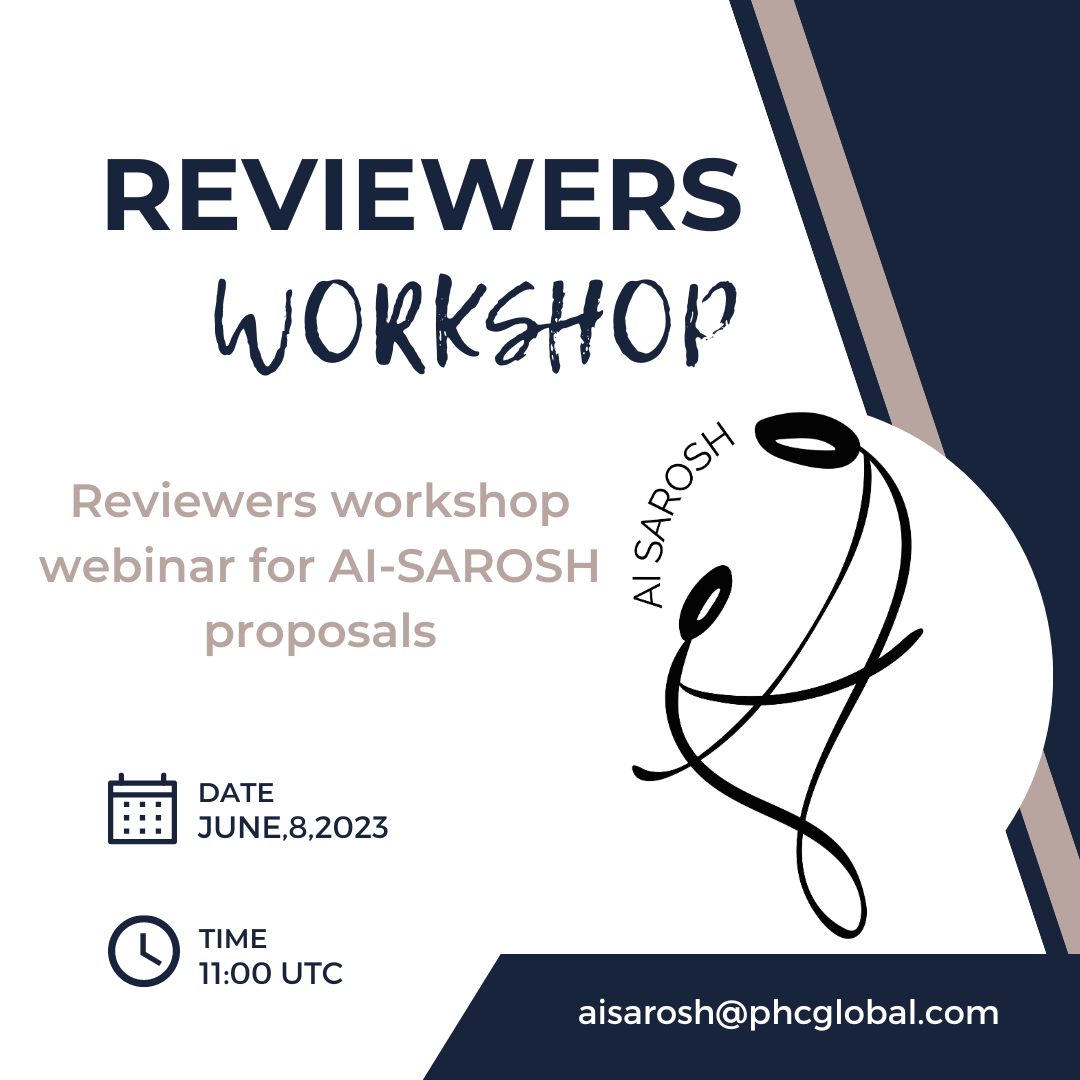 AI-SAROSH is a knowledge hub for responsible use of Artificial Intelligence for Sexual, Reproductive and Maternal Health in South Asia.
We had a reviewers workshop on June 8 to discuss the proposal evaluation strategy to choose groundbreaking AI-SAROSH Proposals, where we will discuss proposal evaluation criteria, scoring, and entry into the online portal.Date: June 8, 2023
Time: 12:00 UTC